

What is Ovarian Insufficiency?
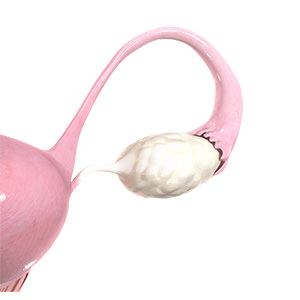
Ovarian insufficiency, also known as premature ovarian failure or primary ovarian insufficiency, is a condition in which the ovaries stop functioning normally before the age of 40. When this occurs, the ovaries do not make the normal amount of the hormone estrogen or release eggs regularly, often leading to infertility.
Causes of Ovarian Insufficiency
The exact cause of ovarian insufficiency can vary and may include:
- Genetic Factors: Some genetic conditions can lead to ovarian insufficiency, such as Turner syndrome, Fragile X syndrome, and certain chromosomal abnormalities.
- Autoimmune Disorders: In autoimmune disorders, the body's immune system mistakenly attacks the ovaries, affecting their function. Examples include autoimmune oophoritis and autoimmune polyendocrine syndromes.
- Environmental Factors: Exposure to certain environmental toxins, radiation therapy, or chemotherapy can damage the ovarian tissue and lead to ovarian insufficiency.
- Infections: Certain infections, such as mumps, can cause inflammation of the ovaries (oophoritis), which may result in ovarian dysfunction.
- Surgery: Surgical removal of the ovaries (oophorectomy) or certain procedures that affect ovarian blood supply can lead to ovarian insufficiency.
- Hormonal Imbalances: Disorders that disrupt hormone production or signaling can affect ovarian function. For example, conditions like polycystic ovary syndrome (PCOS) or thyroid disorders can contribute to ovarian insufficiency.
Symptoms of Ovarian Insufficiency
The symptoms of ovarian insufficiency can vary widely among individuals and may include:
- Irregular menstrual cycles
- Infertility
- Hot flashes
- Vaginal dryness
- Mood changes
- Fatigue
- Sleep disturbances
- Changes in libido
- Bone health issues
- Other symptoms such as headaches, joint pain, and urinary symptoms.
Diagnosis of Ovarian Insufficiency
Your healthcare provider will ask about your menstrual history, including the regularity of your periods, any changes in menstrual patterns, symptoms you may be experiencing (such as hot flashes or vaginal dryness), and any relevant medical conditions or medications. You will also have a physical exam, including a pelvic exam.
Other tests your provider may order include:
- Blood tests to measure certain hormone levels, such as follicle-stimulating hormone (FSH), estrogen, and prolactin
- A pregnancy test to make sure that you are not pregnant
- A pelvic ultrasound to check whether or not the ovaries are enlarged or have multiple follicles
- Genetic testing to rule out any chromosomal abnormalities or genetic conditions
- Bone density testing, to look for osteoporosis caused by low estrogen
Treatment for Ovarian Insufficiency
The treatment for ovarian insufficiency aims to manage symptoms, prevent long-term health complications, and address fertility concerns. The specific approach to treatment may vary depending on the underlying cause, age, overall health, and individual preferences. Some common treatment options for ovarian insufficiency include:
- Hormone Replacement Therapy (HRT): Hormone replacement therapy is often recommended to alleviate symptoms of estrogen deficiency, such as hot flashes, vaginal dryness, and mood changes. HRT typically includes estrogen and may also include progestin (in women with a uterus) to protect the uterine lining.
- Fertility Treatments: Women with ovarian insufficiency who desire pregnancy may explore fertility treatments such as in vitro fertilization (IVF) using donor eggs or embryos. Fertility preservation options like egg freezing may also be considered before ovarian function declines further.
- Bone Health Management: Since low estrogen levels can lead to decreased bone density and increased risk of osteoporosis, calcium and vitamin D supplementation, along with weight-bearing exercise, are important for maintaining bone health.
- Lifestyle Modifications: Adopting a healthy lifestyle with a balanced diet, regular exercise, adequate sleep, and stress management techniques can help improve overall well-being and manage symptoms.
- Alternative Therapies: Some women may explore alternative therapies such as acupuncture, herbal supplements, or mind-body techniques like yoga or meditation to help manage symptoms, although their effectiveness may vary.
- Regular Monitoring: Regular follow-up appointments with your healthcare provider are essential to monitor hormone levels, assess symptoms, and adjust treatment as needed.


